

Automatic Opening Vents (AOVs) are a crucial component of fire prevention systems. According to legal requirements, multi-occupancy structures like apartment buildings need to provide smoke-free escape routes in case of a fire, which also ensures optimal access for firefighters. AOVs play a vital role in this process.
Automatic Opening Vents are ventilation systems installed in both residential and commercial properties, designed to draw out smoke during fire incidents and provide added ventilation on a day-to-day basis. These systems encompass a control panel for custom manual or programmed opening and closing of roof lights, windows, or other ventilation sources.
Especially advantageous in smaller spaces where traditional fire prevention methods might not suffice, AOVs offer numerous benefits to all types of properties.
AOVs incorporate advanced control systems featuring temperature, humidity, and CO2 sensors. They are designed not only to maintain a comfortable day-to-day environment but also to detect smoke signs.
When these environmental variables surpass optimal levels, the AOV activates, opening the window to release smoke from the premises. During a fire, AOVs help create a safer escape route by reducing the risk of smoke inhalation, the most immediate danger to occupants.
Moreover, AOVs can be integrated with alarm systems to ensure swift and reliable responses during fire events. This synergy provides top-notch protection for occupants and is particularly beneficial in residential corridors, allowing occupants on higher floors ample time for evacuation.
Automatic Opening Vents (AOVs) are an integral part of modern building regulations. Legally, these systems are mandated in every communal stairwell to ensure an efficient escape route during a fire emergency. This requirement is applicable to a wide array of structures, including but not limited to apartment buildings, hotels, and even subterranean parking facilities.
Apartment complexes, due to their multi-level design and potentially high occupancy, greatly benefit from AOVs. These systems help ensure that the escape routes are smoke-free, thereby increasing the chances of safe evacuation in the event of a fire. Similarly, hotels, with their diverse and constantly changing population of guests, must prioritise safety. AOVs in these structures can provide essential protection, ensuring smoke is drawn out of the building rapidly during a fire, allowing guests and staff to exit the premises safely.
Underground car parks, another common feature of many modern buildings, also require AOVs. In the event of a fire, smoke in these enclosed spaces can become particularly hazardous due to limited natural ventilation. Thus, the installation of AOVs can help quickly clear out smoke, enhancing safety for vehicle owners and emergency services personnel.
Beyond these requirements, AOVs can significantly improve ventilation in enclosed or small areas that are not typically equipped with ample ventilation. Spaces like server rooms, which house critical computer equipment, are often confined and require consistent cooling. In these areas, AOVs can provide necessary ventilation, protecting expensive equipment from overheating and potential fire hazards.
Office corridors and internal meeting rooms are other spaces where AOVs can make a considerable difference. Enhancing air circulation in these spaces can improve indoor air quality and provide a more comfortable environment for occupants. This can increase workplace productivity, making AOVs a worthwhile investment for business owners.
While the primary role of AOVs is indeed fire prevention, their utility extends beyond this function. By providing day-to-day ventilation, they can contribute to a healthier and more comfortable indoor environment. Thus, it is safe to say that Automatic Opening Vents are not just a legal requirement but a valuable addition to any property, offering benefits that span from safety to the overall quality of the indoor environment.
Automatic Opening Vents (AOVs) offer a high degree of flexibility, making them a versatile choice for various spaces and architectural requirements. Their design can be tailored to suit individual needs, making them perfect for providing optimal ventilation even within confined areas.
Different AOV types can be installed to match the unique dimensions of each space in a premise. From large open-plan areas to smaller confined spaces, the modularity of these systems allows for precise and effective ventilation solutions. This customised approach not only ensures that your building remains compliant with health and safety regulations but also allows you to optimise the use of available space. By adopting such a tailored strategy, you can enhance indoor air quality across the entire premises, providing a safer and healthier environment for all occupants.
In addition to their primary function in fire prevention, AOVs also serve to enhance natural light access within darker rooms. They can be strategically installed to allow daylight to filter into areas that might otherwise rely solely on artificial lighting. This attribute of AOVs is particularly beneficial for office spaces and high-security buildings that may not have direct exterior access due to their design or security needs.
In office environments, the incorporation of natural daylight through AOVs can contribute to a more pleasant and productive workspace. Studies have shown that exposure to natural light during the workday can boost employees’ mood and productivity, making AOVs an indirect contributor to a business’s success.
For high-security buildings, where window installation may be limited due to security concerns, AOVs offer a practical solution. They can provide a safe means of introducing natural light and fresh air without compromising security. This enhances the indoor environment without infringing on the building’s primary security considerations.
In essence, the flexibility of Automatic Opening Vents makes them not only a crucial element in fire safety strategies but also a valuable asset in enhancing the overall comfort, productivity, and well-being of building occupants. Their ability to cater to a diverse range of spaces and needs underscores their importance in modern building design and safety considerations.
In addition to compliance with building regulations, AOVs offer numerous other benefits:
Reduced Smoke and Heat:
By minimising smoke and heat during a fire, AOVs decrease the risk of severe smoke inhalation, which could lead to serious health issues. This also helps minimise damage to the property.
Minimised Financial Impact:
AOVs help contain a fire, thus reducing building damage and associated repair costs.
Enhanced Visibility:
AOVs improve visibility in narrow hallways and stairways, facilitating safer and more efficient evacuation. They also aid fire crews in locating and assisting any remaining occupants.
No Manual Intervention Needed:
AOVs are triggered automatically, which eliminates the need for manual operation during a fire. Even in an unattended building, they activate and minimise damage, reducing costs.
A Key Component of a Comprehensive Fire Safety System
While AOVs are crucial for reducing smoke and facilitating access to affected areas, they should be integrated with other systems for a holistic fire safety strategy.
Different Types of AOVs
The type of AOVs installed can depend on the size, shape, and usage of an area. Examples include:
Mechanical Smoke Ventilation Systems: These use powered elements like fans to force the smoke to move towards other grills or vents for effective escape.
Car Park Ventilation: Utilising jet fans, this system quickly clears smoke from underground or enclosed car parks. It is often used alongside other methods like dampers and extraction fans.
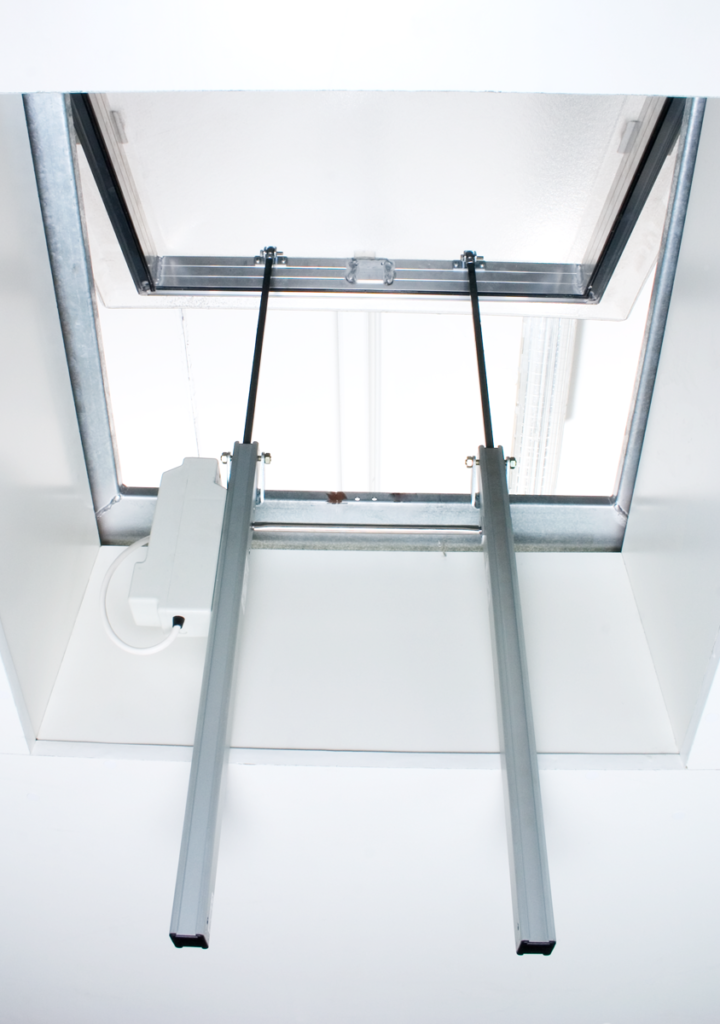
Single or Double Leaf Smoke Vents: Much like a skylight, these vents mechanically open upon detecting smoke. Single-leaf vents are commonly used, while double-leaf vents are ideal for larger areas like factories or workshops.
Implementing AOVs as part of your fire safety measures provides a safer environment, protects occupants, and reduces potential damage.
In conclusion, Automatic Opening Vents (AOVs) are a crucial component of any fire safety strategy. From enhancing day-to-day ventilation to providing lifesaving smoke evacuation in a fire emergency. AOVs offer versatile solutions that fit different building requirements and sizes. Furthermore, they deliver significant benefits, reducing the risk of smoke inhalation and minimising property damage. And ultimately lowering the overall cost impact of fire incidents.
At GWL understands the critical role of AOVs and is ready to help you upgrade your fire prevention systems. Whether you own a building, a high-security office, or an underground car park, we offer solutions that will meet your needs.
Don’t wait for an emergency to reassess your fire prevention strategy. Contact GWL today to ensure your building is equipped with Automatic Opening Vents. Providing optimal safety for your occupants and the utmost protection for your property. Safety is a priority, not an option.